Democracy and the rule of law
Understand how Dutch democratic institutions and elections work.
All knowledge points: King, Government, and Parliament · The Netherlands in the European Union · Power is Divided · Voting and Standing as a Candidate
Sources checked on
Beta version: the content and translations are still being reviewed. Check official sources before making decisions about your exam.
King, Government, and Parliament
The Netherlands is a kingdom and a democratic constitutional state. This means there is a king, citizens elect representatives, and the government must also follow the law. The king’s duties are mainly formal and ceremonial. Ministers are…
Read this knowledge pointThe Netherlands in the European Union
The Netherlands is a member of the European Union, usually referred to as the EU. In the EU, countries collaborate and jointly establish rules on certain issues. The Netherlands does not make decisions alone about everything the EU does;…
Read this knowledge pointPower is Divided
In a democratic state governed by the rule of law, power is divided. The legislative power creates laws, the executive power implements laws and decisions, and the judiciary reviews legal cases. This is often called the separation of…
Read this knowledge pointVoting and Standing as a Candidate
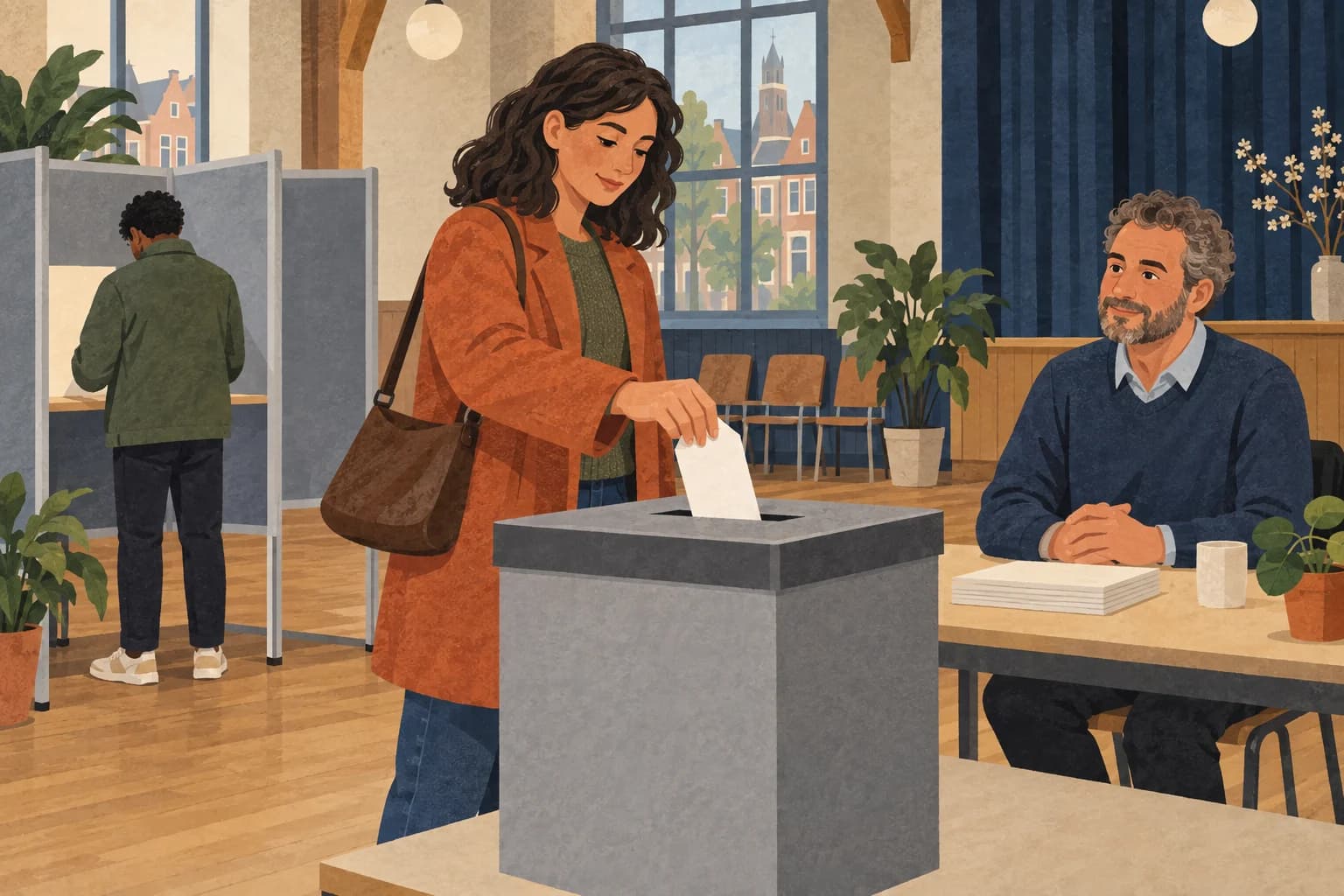
During elections, people choose representatives who take public decisions on their behalf. 'Actief kiesrecht' means you have the right to vote; 'passief kiesrecht' means you may stand as a candidate. Who holds these rights varies depending…
Read this knowledge point