Democracy and the rule of law
Know core legal rights and protections in the Netherlands.
All knowledge points: Equal Opportunities for Women and Men · Freedom of Expression · Freedom of Religion and Belief · Equal Treatment and the Ban on Discrimination · Protecting Your Personal Details · Protection of Your Body · Your Choice in the Donorregister · Self-determination of women
Sources checked on
Beta version: the content and translations are still being reviewed. Check official sources before making decisions about your exam.
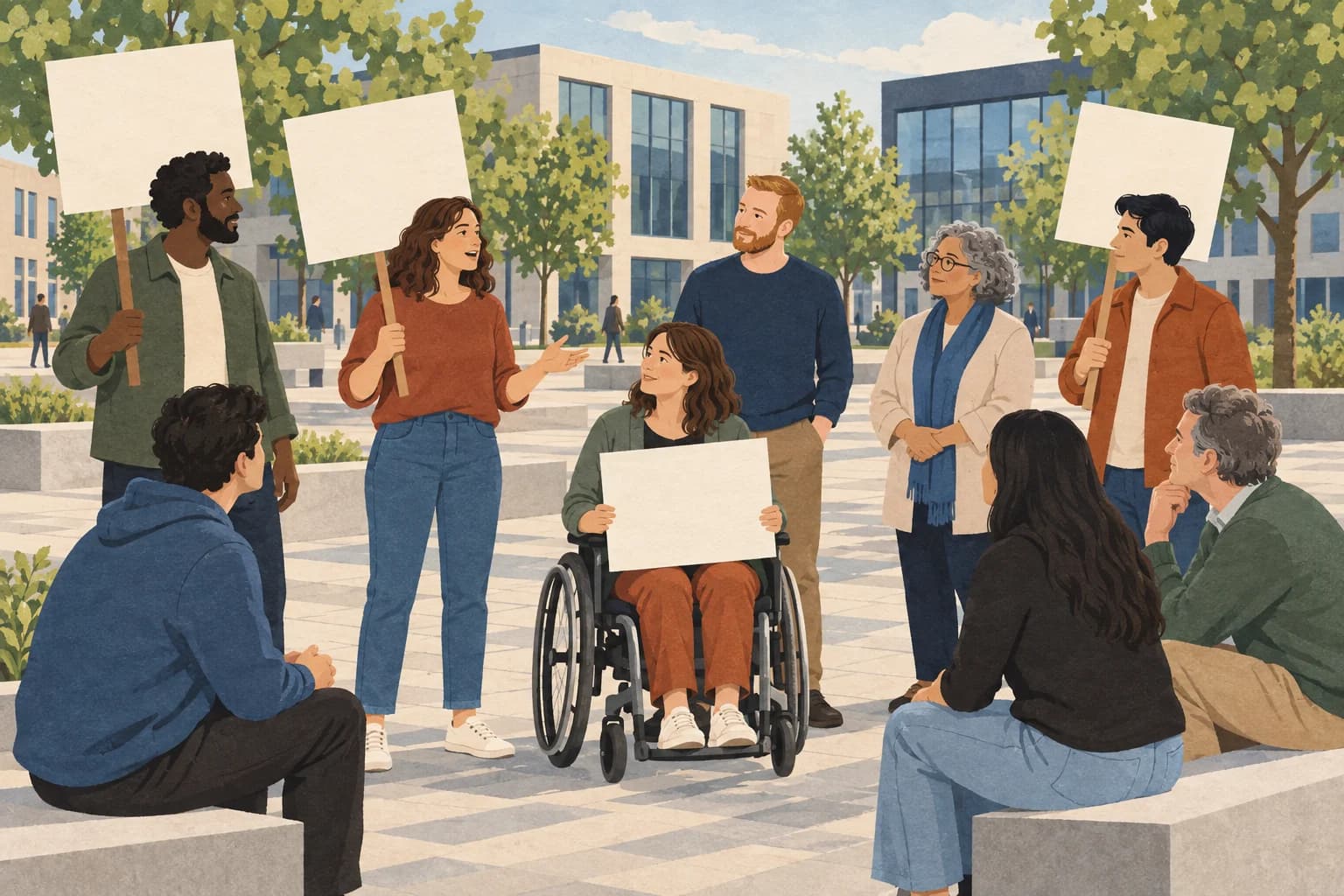
Equal Opportunities for Women and Men
Fundamental rights are important entitlements protected by the Constitution (Grondwet) and other laws. Equal treatment is one such right. Women and men must receive the same opportunities in similar situations, for example when it comes to…
Read this knowledge pointFreedom of Expression
Freedom of expression is a fundamental right. You are allowed to say what you think, even when others disagree with you. In a democracy, this is important: people can criticise government policies, discuss ideas and take part in open…
Read this knowledge pointFreedom of Religion and Belief
Freedom of religion and belief (vrijheid van godsdienst en levensovertuiging) is a fundamental right. You are free to have a religion, to choose a different religion, or to have no religion at all. A worldview (levensovertuiging) is a…
Read this knowledge pointEqual Treatment and the Ban on Discrimination
Article 1 of the Constitution protects equal treatment. This is a fundamental right: people in the same circumstances must receive equal treatment. Discrimination is forbidden, including on the grounds of religion, beliefs, political…
Read this knowledge pointProtecting Your Personal Details
Privacy safeguards your private life. Personal data are details that reveal something about you, such as your name, address, BSN (citizen service number) or information about your health. Organisations process such data for specific…
Read this knowledge pointProtection of Your Body
The law protects the integrity of your body: other people are not allowed to touch or harm your body without good reason. Bodily safety and protection of your own body are important rights. Violence is forbidden, even if it happens at home…
Read this knowledge pointYour Choice in the Donorregister
In the Donorregister, you record your decision about what should happen to your organs and tissues after you have died. This is a personal choice. You can give permission, refuse, exclude certain organs or tissues, or designate someone…
Read this knowledge pointSelf-determination of women
Self-determination means that you make important choices about your own life and body. This also applies to women. A woman may choose for herself which education she follows, whether she works, and whom she wishes to have a relationship…
Read this knowledge point